
A Creative Director’s Approach to Brand Refinement (Without Starting Over)
Not every brand needs a full redesign. In fact, most don’t. What they need is refinement.
The Problem With “Starting Fresh”
When something isn’t working, the instinct is often to start over:
New logo
New colors
New typography
New everything
It feels decisive. It feels like progress.
But in many cases, the issue isn’t the brand itself—it’s how the brand is being used, interpreted, or extended over time.
Starting from scratch can actually create more problems:
Loss of recognition
Inconsistent rollout
Unnecessary cost and time
A reset that doesn’t address the underlying issues
What I See in Real Projects
Across branding, UX/UI, and marketing work, I’ve seen a consistent pattern:
Most brands don’t fail because they’re poorly designed. They drift because they lack structure and clarity.
Things start to fragment:
Colors get adjusted slightly each time
Typography becomes inconsistent
New assets don’t quite match existing ones
Teams interpret the brand differently
Over time, the brand becomes harder to use—and harder to trust.
What Brand Refinement Actually Means
Refinement isn’t about redesigning everything.
It’s about:
Identifying what’s working
Clarifying what’s not
Tightening the system so it’s easier to use consistently
It’s a focused, practical process, not a full reset.
In many cases, small adjustments create the biggest impact:
Simplifying color usage
Clarifying typography rules
Aligning visual elements across touchpoints
Establishing consistency where it’s been lost
Why This Step Gets Skipped
Most resources focus on:
Creating a brand from scratch
Designing logos
Building full identity systems
Very little focuses on what happens in between:
After launch
During growth
When the brand needs to evolve without breaking
So teams either:
Do nothing
Or jump straight to a full redesign
There’s rarely a structured middle ground.
How I Approach Brand Refinement
In practice, brand refinement starts with a simple shift:
Instead of asking: “What should we redesign?”
I ask: “What’s causing friction, and where is the brand breaking down?”
From there, the process becomes much more focused:
What elements are inconsistent?
Where are decisions unclear?
What’s being overused, underused, or misused?
What can be simplified without losing identity?
This approach leads to targeted improvements instead of wholesale change.
A Tool for Getting Started
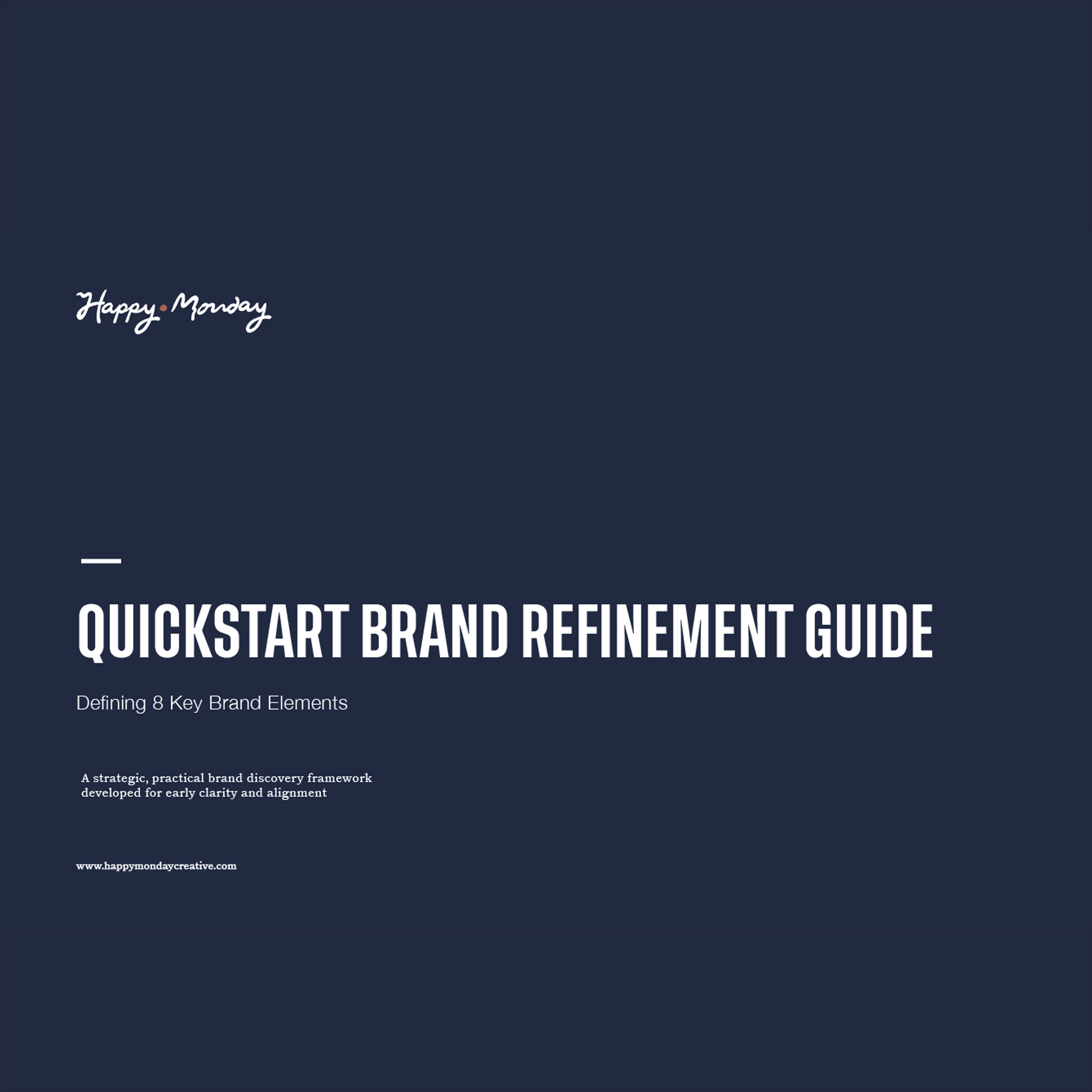
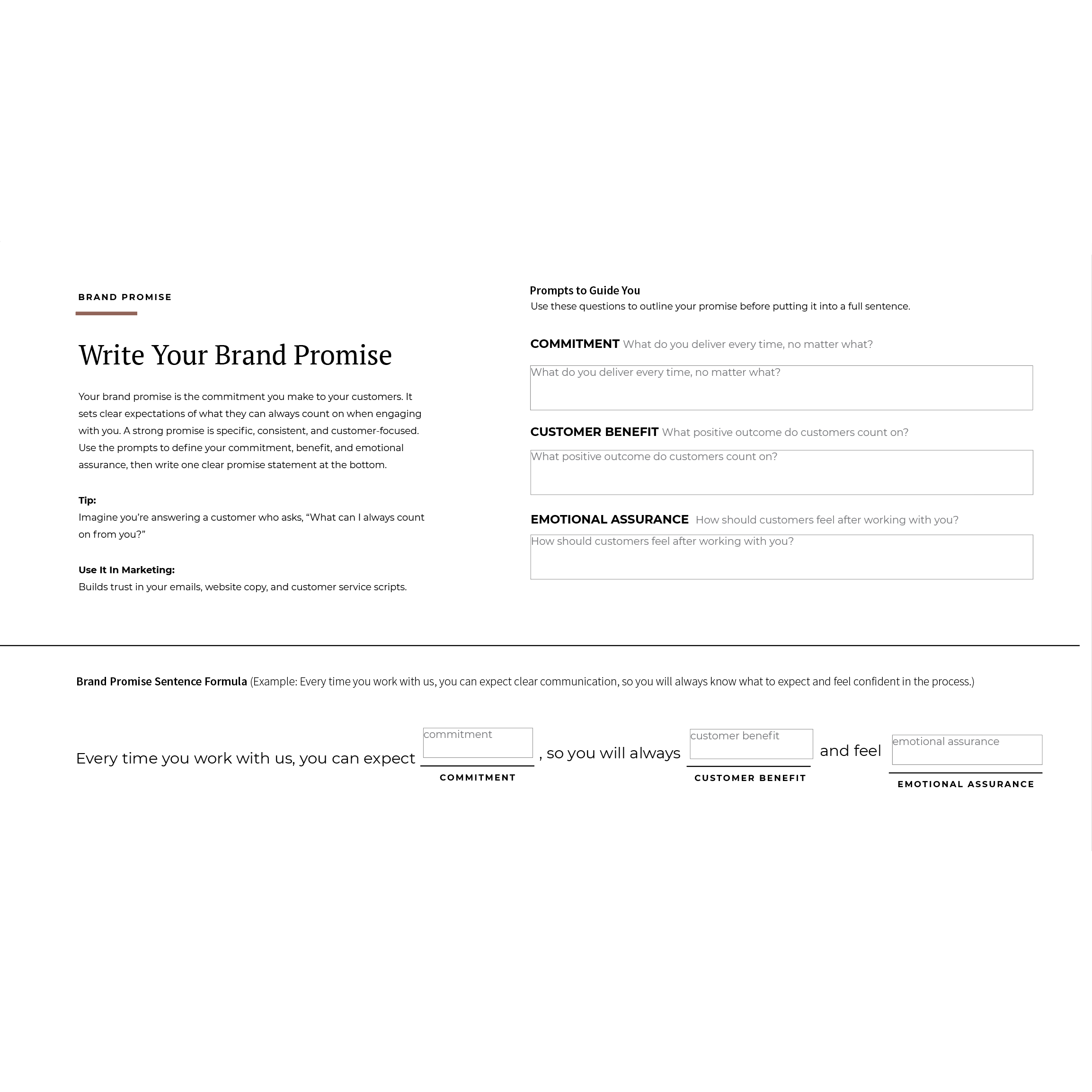
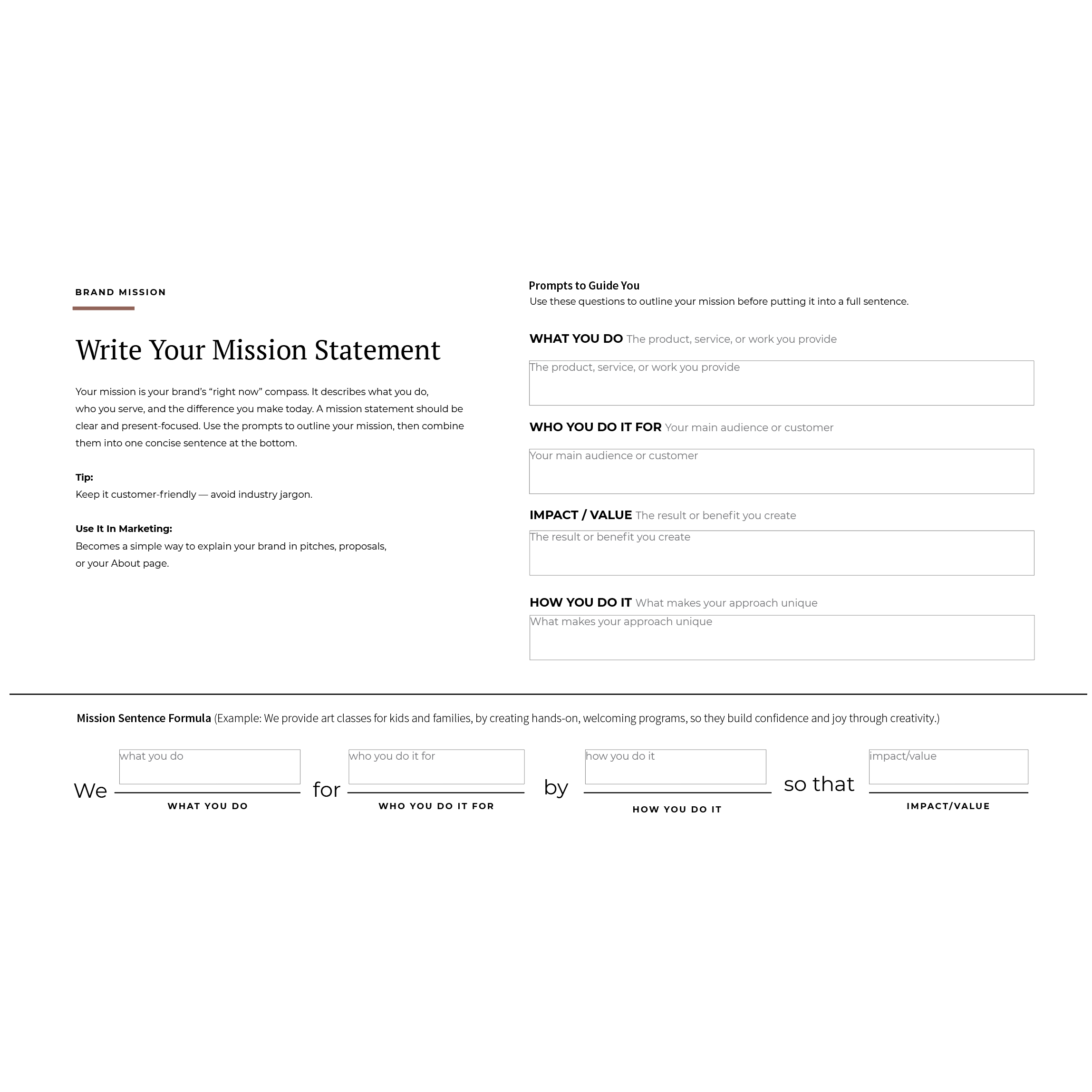
I’ve turned this approach into a simple, structured tool:
👉 Quickstart Brand Refinement Guide
It’s designed to help you:
Evaluate your current brand with a clear lens
Identify where inconsistencies or gaps exist
Make focused adjustments without starting over
This isn’t a full brand strategy or redesign framework.
It’s a practical starting point—something you can use to bring clarity and consistency back to your brand quickly.
When This Is the Right Approach
This kind of refinement is especially useful when:
Your brand feels “off” but not broken
You’re seeing inconsistency across channels
Your team isn’t aligned on how to use the brand
You want improvement without a full redesign investment
It’s about working with what you already have—more intentionally.
The Takeaway
Not every brand problem requires a complete reset.
In many cases, what’s needed is clarity:
Clearer structure
Clearer decisions
Clearer usage
When those pieces are in place, the brand becomes easier to use, easier to maintain, and more effective over time. And that’s often where the real value is.
How It’s Different
The goal wasn’t to make a “better form.”
It was to make a brief that actually functions inside real workflows.
That means:
Guided inputs instead of open-ended questions
So stakeholders know how to answer—not just what to answerStructured sections that build on each other
So the brief develops logically instead of feeling scatteredFlexibility across branding, UX/UI, and illustration work
So it works in different contexts without needing to be rebuiltA format that can be revisited throughout the project
Not something that gets ignored after kickoff
It’s designed to support clarity at the beginning—and consistency all the way through.
Why This Matters
When the brief is clear:
Teams align faster
Decisions are easier to defend
Revisions are more focused
The work moves forward with less friction
When it isn’t, everything becomes reactive.
More interpretation.
More correction.
More backtracking.
The brief doesn’t eliminate complexity—but it gives everyone a shared way to navigate it.
If You’re Running Into This Too
If you’ve ever felt like:
You’re re-explaining decisions that should already be clear
Projects shift direction mid-stream
Stakeholders aren’t aligned, even when they think they are
It’s often not a design problem. It’s a brief problem.
The Tool I Use
I’ve turned the system I use into a working template you can use in your own projects:
👉 Interactive Creative Brief Template
👉 Also available on Creative Market listing
It’s designed for real-world creative work—not as a theoretical exercise, but as something you can use immediately to improve clarity and reduce friction.
The Takeaway
A creative brief isn’t just a starting point. It’s the foundation for how decisions are made, explained, and carried forward.
When that foundation is unclear, everything built on top of it becomes harder. When it’s structured well, the work has a much better chance of moving forward with clarity from the start.
About This Series
Notes from a Creative Director Designing Patterns
This series documents my ongoing pattern and illustration practice through the lens of a Creative Director and UX/UI designer with 25+ years of professional experience.
Rather than teaching a prescribed method or selling a course, the focus is on process, systems thinking, and real-world application—how illustration and pattern design function within branding, licensing, and professional creative environments.
This is not a beginner tutorial series or a hustle playbook. It’s a working record of building pattern systems with intention, clarity, and long-term use in mind.
If you’re interested in thoughtful design, scalable illustration, and process-driven creative work, you’re in the right place.